Starting a small herb garden indoors is a wonderful way to bring fresh flavors to your kitchen, brighten your living space, and enjoy gardening year-round. Whether you have a large sunny window or just a little counter space, growing herbs inside can be simple and satisfying. In this guide, we’ll walk you through the basics of setting up your own indoor herb garden, from choosing the right herbs and containers to caring for your plants.
Why Grow Herbs Indoors?
Indoor herb gardening offers many benefits:
– Fresh Ingredients: Have herbs like basil, parsley, or mint at your fingertips whenever you need them for cooking.
– Space Saver: No backyard? No problem. Herbs don’t need much space to thrive indoors.
– Year-Round Gardening: You’re not limited by seasons. Grow herbs all year long inside your home.
– Air Quality: Plants help improve indoor air by absorbing carbon dioxide and releasing oxygen.
Choosing the Right Herbs for Indoor Growth
Not all herbs are equally suited to indoor growing. Here are some popular, easy-to-grow herbs perfect for beginners:
– Basil: Loves light and warmth, perfect for sunny windowsills.
– Parsley: Grows well indoors with moderate light.
– Mint: Thrives in pots and cooler spots; be careful as it spreads quickly.
– Chives: Easy to grow and doesn’t require full sun.
– Thyme: Prefers plenty of sunlight and well-drained soil.
– Cilantro: Likes cooler indoor temperatures and bright light.
– Oregano: Needs bright light and can tolerate some neglect.
Choose herbs that you enjoy cooking with and consider their light requirements when picking their spot indoors.
Selecting Containers and Soil
Containers
Herbs can grow well in various containers. Some options include:
– Individual Pots: Ideal for controlling soil conditions for each herb.
– Herb Garden Kits: These often come with matching pots and seed packets.
– Recycled Containers: Be sure to add drainage holes if you use jars or tins.
Soil
Use a high-quality potting mix designed for indoor plants. Avoid garden soil as it may be too heavy and could contain pests or diseases. Look for soil that:
– Drains well to prevent waterlogging.
– Has organic matter to provide nutrients.
– Is light and airy to support root growth.
Finding the Perfect Spot for Your Herb Garden
Light is one of the most important factors for successful indoor herb growing. Most herbs need about 6 hours of sunlight a day.
– Sunny windowsills: South- or west-facing windows work best.
– Supplemental lighting: If natural light is limited, consider using a grow light to provide adequate light.
– Temperatures: Most herbs prefer temperatures between 65-75°F (18-24°C) during the day and slightly cooler at night.
Avoid placing herbs near drafts or heating vents, which can dry them out.
Planting Your Herb Garden
Starting from Seeds
– Follow instructions on the seed packet for planting depth and spacing.
– Keep the soil moist but not waterlogged.
– Use a spray bottle to mist the soil to avoid displacing seeds.
– Germination time varies by herb, so be patient.
Starting from Seedlings or Cuttings
– Seedlings are a quicker way to get started and can be purchased at garden centers.
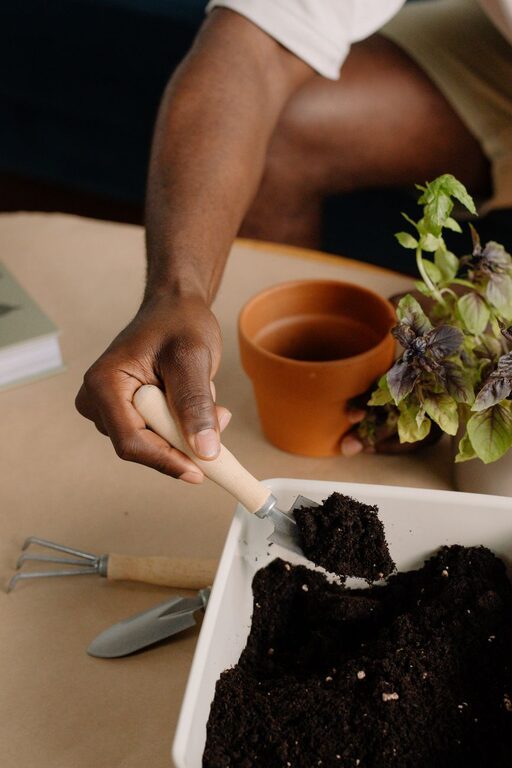
– Gently remove the seedling from its container and plant in your pot with fresh soil.
– Cuttings can be rooted in water or soil, depending on the herb.
Caring for Your Indoor Herb Garden
Watering
– Water herbs when the top inch of soil feels dry.
– Avoid overwatering; herbs don’t like soggy roots.
– Use pots with drainage holes to prevent standing water.
Feeding
– Use a balanced liquid fertilizer every 3-4 weeks during the growing season.
– Avoid overfertilizing, which can cause herbs to lose flavor.
Pruning and Harvesting
– Regular trimming encourages bushier growth.
– Harvest herbs by pinching off leaves or cutting stems just above a leaf node.
– Avoid removing more than one-third of the plant at a time.
Pest Management
– Check plants regularly for pests like aphids or spider mites.
– Wipe leaves with a damp cloth or use mild insecticidal soap if needed.
– Maintain good airflow around plants to reduce fungal issues.
Common Challenges and How to Fix Them
– Leggy or stretched plants: Usually caused by insufficient light. Move herbs to a brighter spot or use grow lights.
– Yellowing leaves: May be a sign of overwatering or poor drainage.
– Slow growth: Check soil quality, light, and feeding schedule.
– Wilting: Could indicate underwatering or root problems.
Tips for Enjoying Your Indoor Herb Garden
– Experiment with different herb combinations and containers.
– Use herbs fresh or dry them for later use.
– Incorporate herbs into meals, teas, or homemade gifts.
– Share cuttings with friends to grow your indoor garden community.
Conclusion
Starting a small herb garden indoors is an enjoyable project with many rewards. By selecting the right herbs, providing adequate light and water, and giving them a little care, you can enjoy fresh herbs all year round. Happy gardening!
—
With just a little space and some simple tools, your indoor herb garden can thrive and bring natural beauty and flavor to your home. Give it a try today!