
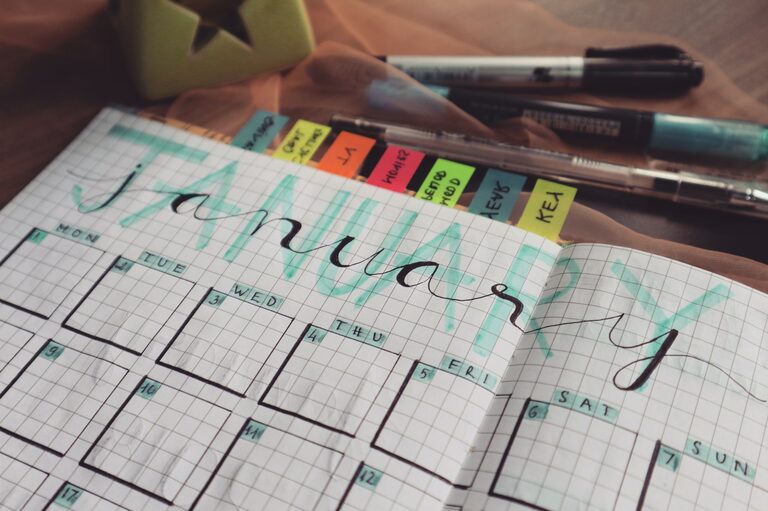
Taking time to unwind over the weekend is essential for maintaining balance in our busy lives. However, many people find that weekends can become just as hectic as weekdays due to last-minute plans or over-scheduling. Planning a no-stress weekend can help you recharge your energy and improve your overall well-being. In this post, we’ll guide you through easy, practical steps to create a relaxing and enjoyable weekend without any unnecessary stress.
Why a No-Stress Weekend Matters
Weekends are meant to be a break from work and daily responsibilities. A no-stress weekend allows your mind and body to recuperate, reduces anxiety, and improves focus for the week ahead. It’s an opportunity to reconnect with yourself and your loved ones, enjoy hobbies, or simply rest.
Step 1: Set Clear Intentions for Your Weekend
Before the weekend starts, think about what you want to achieve. Do you want to rest deeply? Spend quality time with family? Explore a new hobby? Setting clear intentions helps you avoid aimless or stressful over-commitment.
Tips for setting your intentions:
– Write down one or two goals for your weekend.
– Prioritize rest and enjoyment over productivity.
– Be realistic about what can be accomplished in two days.
Step 2: Plan Ahead but Leave Room for Flexibility
Planning can reduce stress by preventing last-minute chaos, but too much scheduling can feel restrictive. Strike a balance by planning key activities but leaving open blocks for spontaneous relaxation.
How to plan smartly:
– Choose one or two main activities you look forward to.
– Schedule downtime before and after these activities.
– Avoid packing your schedule full of errands or obligations.
Step 3: Prepare Your Environment
Your surroundings can influence your mood and stress levels. Preparing your space ahead of time can create a calm and inviting atmosphere for the weekend.
Simple environment tips:
– Tidy up the living area on Friday evening.
– Set up cozy spots with blankets, cushions, or lighting.
– Declutter your workspace if you plan to avoid work during the weekend.
Step 4: Disconnect from Work and Digital Distractions
Constant notifications and work emails can disrupt relaxation. Setting boundaries with technology helps you be present and enjoy your weekend fully.
Ways to disconnect:
– Turn off work notifications or set your phone to “Do Not Disturb”.
– Limit social media use or set specific times for checking messages.
– Use apps that encourage mindfulness or relaxation.
Step 5: Incorporate Relaxing Activities
Choose activities that genuinely help you relax and recharge. The options depend on your preferences but should avoid adding pressure.
Relaxing activities ideas:
– Reading a book or listening to an audiobook.
– Going for a walk in nature or gentle stretching.
– Practicing mindfulness or meditation.
– Cooking a favorite meal at a leisurely pace.
– Engaging in a creative hobby like drawing or crafting.
Step 6: Prioritize Restful Sleep
Good sleep is vital for reducing stress and improving mood. Use your weekend to reset your sleep habits without the pressure of alarms.
Tips for quality sleep:
– Keep a consistent bedtime and wake-up time, even on weekends.
– Create a relaxing bedtime routine such as dimming lights or reading.
– Avoid caffeine and heavy meals before bedtime.
Step 7: Nourish Your Body Mindfully
Eating well supports your energy and relaxation. Try to enjoy meals without rushing or distractions.
Mindful eating suggestions:
– Prepare simple, healthy meals with fresh ingredients.
– Eat slowly and savor each bite.
– Drink plenty of water throughout the day.
Step 8: Connect with Loved Ones or Yourself
Whether you prefer solitude or company, spending quality time with people you care about or with yourself can enrich your weekend.
Ways to connect:
– Arrange a calm coffee date or a casual walk with friends or family.
– Spend time journaling or reflecting quietly.
– Practice gratitude by noting things you appreciate.
Step 9: Avoid Overcommitting
Saying no to optional plans or errands can be challenging but essential for a no-stress weekend. Protect your time to maintain your energy.
How to say no gracefully:
– Be honest about needing downtime.
– Suggest rescheduling to a less busy time.
– Remember that your well-being comes first.
Step 10: Reflect and Adjust for Next Time
After your weekend, take a moment to reflect on what worked well and what didn’t. This helps you tailor your next no-stress weekend even better.
Reflection questions:
– Did you feel relaxed by Sunday evening?
– Which activities helped you the most?
– What caused any stress or tension?
—
Planning a no-stress weekend is about creating space and being intentional with your time. By setting clear intentions, preparing thoughtfully, and prioritizing rest and enjoyment, you can make the most of your weekends and return to your week refreshed. Remember, relaxation is a practice, and with each weekend, you can improve how you unwind and recharge. Enjoy your stress-free time!